How Long Do SEO Services Take to Show Results

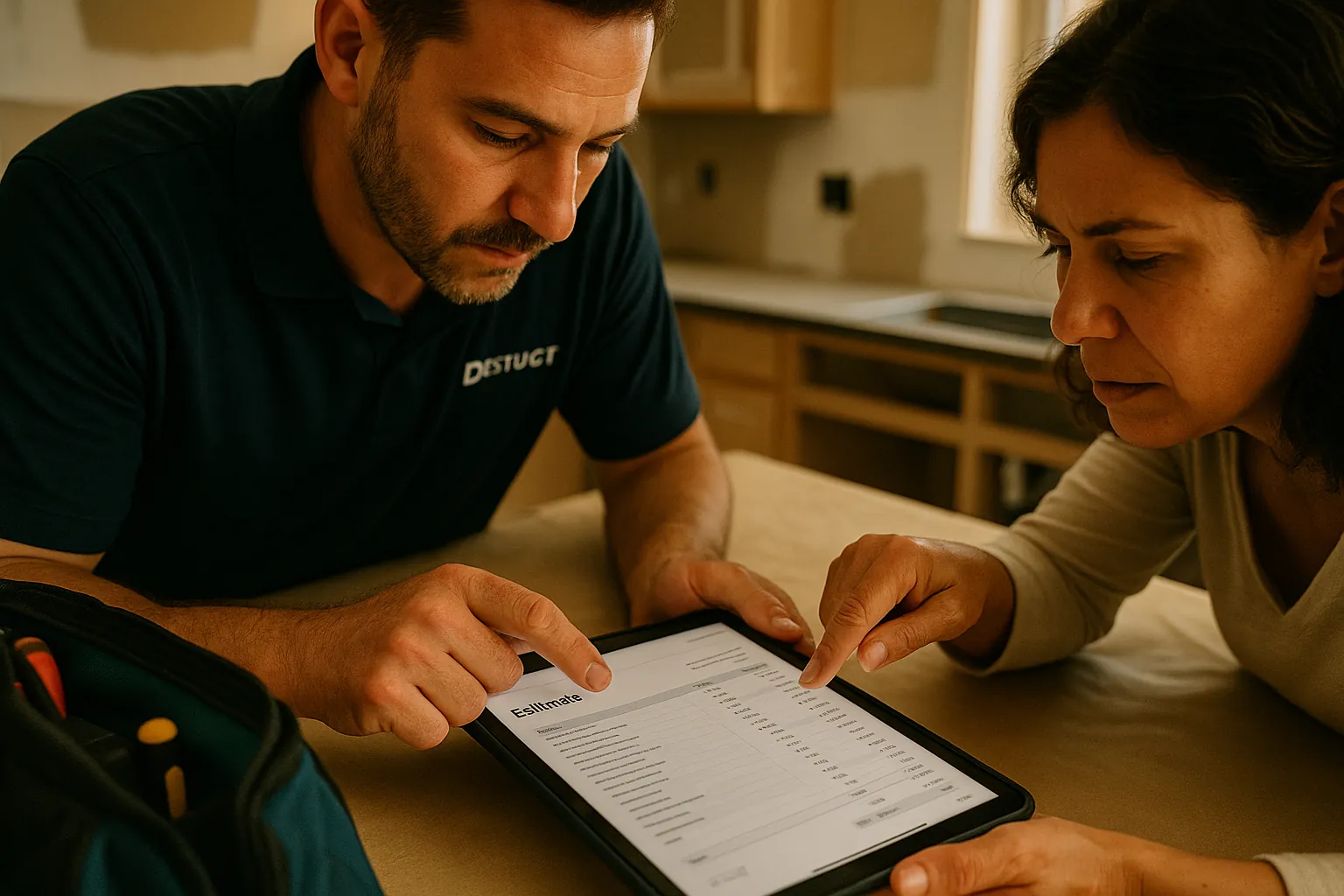
If you have ever hired an agency, brought on a consultant, or started handling optimization in-house, you have probably asked the same question within the first week: how long before any of this actually works?
It is a fair question, and one that deserves a direct answer. Most SEO Services take between three and six months to show meaningful movement, and six to twelve months to produce strong, dependable business results. That is the honest range in most normal cases. Some websites see early gains in a matter of weeks, especially when they fix obvious technical problems or improve pages that were already close to ranking well. Others take longer than a year, usually because the site is new, the market is crowded, or the underlying website has deep structural problems.
The reason people get frustrated with SEO timing is simple. Search optimization is not one action. It is a chain of work that includes research, technical cleanup, content improvement, internal linking, trust building, and waiting for search engines to recrawl and reevaluate the site. You are not buying instant visibility. You are building a stronger asset that compounds over time.
That compounding effect is exactly why SEO is valuable, and exactly why it is slow.
The timeline most businesses should expect
In practice, SEO rarely behaves like paid ads, where you switch on a campaign and traffic arrives that afternoon. Search visibility moves in stages. The first stage often involves discovery and correction. A serious provider will audit the site, identify weaknesses, benchmark current rankings and traffic, and decide where the fastest opportunities sit. That part alone can take a few weeks if the site is large or disorganized.
Once the findings turn into implementation, the next stage begins. Pages are updated, technical issues are fixed, content gaps are addressed, titles and metadata are refined, internal links are strengthened, and low-value pages are cleaned up or consolidated. Then Google has to crawl those changes, interpret them, and compare your pages against every alternative page competing for the same queries.
That last part is what many business owners underestimate. Better work does not produce immediate visibility just because it is better. Search engines need time to observe it, score it, test it, and place it into the broader ranking landscape. In less competitive spaces, that can happen fairly quickly. In competitive industries, it can feel like pushing a heavy door before it finally opens.
A realistic broad-strokes timeline often looks like this:
| Time frame | What usually happens | | --- | --- | | First 30 days | Audit, strategy, technical review, keyword mapping, baseline reporting | | Months 2 to 3 | Core fixes go live, page updates begin, early ranking shifts appear | | Months 4 to 6 | More visible keyword movement, stronger organic traffic patterns, early lead growth | | Months 6 to 12 | Compounding gains, broader keyword reach, steadier conversion impact |
That does not mean every site follows the same curve. I have seen a local service business jump from page two to the local pack in six weeks because its competitors were weak and its website had obvious on-page issues. I have also seen a national ecommerce brand work hard for eight months before any major gains showed up because it was trying to displace entrenched category leaders with thousands of linking domains.
Both outcomes were normal for their context.
What “results” actually means
A lot of confusion comes from the word results. Different stakeholders mean different things when they say it.
For a founder under pressure, results may mean qualified leads. For a marketing manager, it may mean non-branded organic sessions. For an SEO consultant, it may mean more keywords entering the top 10 and pages getting crawled more consistently. For a sales team, it may mean booked calls from high-intent search terms.
These SEO Services do not happen in a single wave.
Early SEO results often show up in diagnostic signals before they show up in revenue. You may see better indexing, improved average positions, more impressions in Search Console, and a few pages moving from positions 18 to 9. Those are real gains, but they do not always feel dramatic to a business owner who expected phones to ring right away.
That is why any good SEO Services provider should define success in phases. If they cannot explain the difference between leading indicators and business outcomes, the relationship usually gets tense fast.
Why some websites move faster than others
Timing depends less on effort alone and more on starting conditions. Two companies can invest the same amount in SEO and get very different trajectories.
A business with an established domain, clean site structure, useful content, and some existing authority has a head start. It is like renovating a solid building. The framework is already there, so improvements become visible sooner. A brand new site, by contrast, has to prove itself from scratch. Search engines do not yet have enough trust signals or behavior data to reward it aggressively.
Competition also changes the pace. Ranking for “emergency plumber in a mid-sized town” is a different project than ranking for “project management software” or “mesothelioma lawyer.” The first may be won with strong local optimization, better reviews, and well-built service pages. The second might require years of sustained authority building, excellent content, and a substantial link profile.
Then there is the issue of website quality. I once reviewed a site for a regional home services company that had respectable backlinks and decent brand recognition, yet rankings were flat. The reason was not mysterious. Their website had duplicate service pages across multiple locations, weak page titles, slow mobile performance, thin content, and confused internal linking. Their SEO was not failing because the market was impossible. It was failing because the site was hard for search engines and users to trust. Once those basics were fixed, the site started improving in under three months.
The lesson was not that SEO is magic. It was that hidden friction delays results.
The work that tends to show impact first
Not every SEO action delivers at the same speed. Some tasks are foundational and slow-burning. Others can produce visible movement relatively quickly.
Technical fixes often create the earliest signs of life, especially if a site has crawl problems, broken canonicals, poor index management, or severe page speed issues. When a website becomes easier to crawl and understand, ranking potential improves quickly, though not always instantly.
On-page optimization can also move fast, particularly on pages already sitting near page one. A page in position 11 or 12 is often more responsive than a page buried at position 63. Better alignment with search intent, stronger headings, improved copy, smarter internal links, and a sharper title tag can make a measurable difference.
Content creation usually takes longer. Publishing new pages is important, but new content needs time to be discovered, crawled, and assessed. It also needs to compete. Businesses sometimes assume that adding twenty blog posts should create traffic right away. In reality, weak or generic articles may do little, while fewer, better pieces tied to real search demand may perform far better over six months.
Link building and digital PR are slower still, but often essential in competitive spaces. Authority does not rise on command. Strong links are earned or negotiated through labor, relationships, and relevance. Their effect can be substantial, but rarely immediate.
Signs that your SEO Services are working before traffic spikes
This is the part many teams miss. They watch only traffic and revenue, and because those lag behind, they conclude SEO Services nothing is happening. Often there are clues earlier.
Here are some healthy indicators worth watching:
- More pages are being indexed correctly and crawled more often.
- Important keywords begin moving upward, even if they are not yet in the top three.
- Click-through rates improve after metadata and page intent are refined.
- Organic impressions rise across a wider set of relevant searches.
- Leads become more qualified because landing pages match user intent better.
None of these guarantee eventual success on their own, but taken together they usually mean the site is moving in the right direction.
A common pattern looks like this: impressions rise first, then rankings improve, then clicks increase, and finally conversions follow after enough relevant traffic reaches the right pages. When a company expects conversions before those earlier signals appear, it tends to judge the campaign too early.
What slows SEO down
When timelines stretch far beyond expectations, there is usually a reason. Sometimes it is market difficulty, but more often it is a mix of operational drag and strategic mistakes.
One frequent problem is delayed implementation. An agency may finish its recommendations quickly, but if the development team takes ten weeks to push changes live, the SEO clock has barely started. The same is true when legal, brand, or product teams stall page updates.
Another issue is poor targeting. If the strategy chases glamorous, high-volume keywords that are unrealistic for the site’s authority, months can pass with little to show. A smarter plan often starts with reachable commercial terms and pages that can convert sooner.
Content quality is another bottleneck. Search engines have become much better at identifying thin, repetitive, or unhelpful pages. If the output is generic, volume does not save it. I have seen companies publish dozens of articles that never ranked because every piece said the same obvious things their competitors had already said.
There is also the trust factor. Domains with a history of spam, sloppy backlink profiles, or years of neglect often need more time. Search engines can be cautious. Recovery is possible, but it is not usually quick.
Finally, some businesses simply need to recalibrate expectations. If ten strong competitors have been investing in SEO for years, overtaking them in ninety days is not a serious plan.
Local SEO and national SEO move at different speeds
It helps to separate local visibility from broader organic growth because the timing often differs.
Local SEO can produce noticeable wins sooner, especially for service businesses with clear geography and modest competition. Fixing a Google Business Profile, improving local landing pages, cleaning up NAP consistency, generating reviews, and strengthening local citations can all create momentum relatively quickly. A dental office, HVAC company, or family law firm may see meaningful improvement in three to four months if the local market is not saturated.
National SEO usually takes longer. You are competing across a wider search landscape, often against stronger domains, larger editorial teams, and more mature backlink profiles. If your company sells software nationwide or ships products across the country, the path is longer because authority matters more and search intent is more fragmented.
Ecommerce can be particularly slow if the site has complex faceted navigation, duplicate category issues, weak product copy, or thin collection pages. The upside is that once those systems are fixed, gains can scale impressively.
New websites need more patience
A new domain starts with no meaningful trust, no backlink history, and no track record of satisfying users. That does not mean it cannot grow quickly, but it does mean expectations should be grounded.
For a new site, the early months are often about laying foundations correctly. Site architecture, content hierarchy, keyword mapping, schema, internal links, technical cleanliness, and brand positioning matter more than chasing vanity rankings. If those are built well, the site can gain traction steadily. If they are built poorly, the site may spend a year correcting avoidable mistakes.
I usually tell new businesses that SEO is a medium-term growth channel, not a launch-day lifeline. If leads are urgently needed right away, paid search, partnerships, outbound outreach, or local networking may need to fill the gap while organic visibility develops.
That is not a weakness of SEO. It is simply the nature of the channel.
What a trustworthy provider should tell you
One of the clearest signs of a credible SEO partner is how they handle the timeline question. People who promise first-page rankings in thirty days are either talking about trivial keywords or selling fantasy. Serious professionals tend to sound more measured.
A good provider will usually explain that timing depends on your site’s age, authority, competition, technical health, and implementation speed. They will also distinguish between early indicators and business outcomes. Most important, they will show you where the quickest opportunities are and where patience is required.
When clients ask me how long SEO takes, I usually turn the conversation toward decision points rather than promises. What can we improve in the first month? Which pages have the best chance of climbing first? How long will development changes take? Are we targeting terms that can convert before we go after trophy keywords? Those questions produce much better forecasts than generic timelines.
How to evaluate progress without panicking
The hardest part of SEO is emotional, not technical. It asks businesses to invest before the payoff becomes obvious. That tension is manageable if reporting reflects reality.
A sensible review process looks at trend lines rather than single snapshots. One bad week means very little. Search traffic is seasonal, rankings fluctuate, and algorithm changes can create temporary turbulence. Progress is easier to judge over ninety-day windows than over seven-day ones.
It also helps to tie SEO work to page groups rather than sitewide averages. If a team updated twenty service pages, you should inspect how those pages performed, not just whether total traffic went up across the entire domain. Sitewide numbers can hide meaningful wins or losses.
The same goes for conversions. If organic traffic rises 20 percent but leads stay flat, the issue may not be SEO failure. It could be a tracking problem, weak calls to action, poor mobile UX, or traffic growth in informational content that has not yet been monetized. That does not mean the campaign is healthy by default, but it does mean diagnosis should come before blame.
Reasonable expectations by business type
The speed of results often lines up with business model. A local roofer in a small metro area may see movement much faster than a B2B SaaS company selling into a crowded national market. A niche manufacturer with specialized products may rank relatively well with a modest content library because the competition is thin and intent is specific. A fashion retailer, on the other hand, may spend months improving category architecture and content before broad gains appear.
This is why comparisons between companies can be misleading. One owner hears that a friend “did SEO” and doubled traffic in four months, then expects the same outcome. But if the friend operated in a less competitive market, had an older domain, or fixed obvious issues on a site that was already close to ranking, that story does not transfer cleanly.
SEO timelines are contextual. Anyone who speaks about them as if they are universal is simplifying too much.
When to stay the course, and when to worry
Patience is necessary, but blind patience is expensive. There is a difference between a campaign that is early and a campaign that is drifting.
You should usually stay the course if the strategy is clear, implementation is happening, reporting is honest, and key indicators are trending upward over a few months. That includes better rankings for target queries, stronger page engagement, broader keyword coverage, improved technical health, and a rational roadmap.
You should worry when months pass without meaningful action or explanation. If deliverables are vague, recommendations are recycled, content quality is poor, technical issues stay unresolved, or reporting hides behind vanity metrics, time alone will not fix it. SEO is slow, but it should never feel inert.
There is a big difference between waiting for compounding results and waiting because nothing substantial is being done.
The practical answer
So how long do SEO Services take to show results?
For most established businesses, expect early signs within two to three months, more obvious traction by months four to six, and stronger commercial impact between six and twelve months. For new sites or highly competitive industries, the curve often stretches longer. For local businesses with weak competition and obvious website issues, results can appear sooner.
The key is not to ask whether SEO is instant. It is not. The better question is whether the work being done now is the kind that tends to compound into durable visibility and qualified traffic later.
That is what good SEO buys you. Not a sudden spike that disappears next month, but a stronger presence that becomes harder for competitors to dislodge. If you treat it like a long-term asset, the timeline makes sense. If you expect it to behave like a switch, it will almost always feel too slow.
Magister Digital AI
1135 Garnet Ave #13, San Diego, CA 92109
+16193300953
FAQ About SEO Services
What do SEO services include?
SEO services can include technical site reviews, keyword and search-intent research, content improvement, internal linking, local optimization, structured data, and performance reporting. The exact scope should reflect the business, market, and goals.
How long does SEO take to show results?
Timing varies with the website's current condition, competition, and scope. Technical improvements may show movement sooner, while competitive content and authority work often require several months of consistent effort.
Do SEO services include local SEO?
They can. Local SEO commonly covers Google Business Profile optimization, accurate business citations, local schema, reviews, and service-area or location content when those elements are relevant.
How should SEO performance be measured?
Useful measures include qualified organic traffic, calls, form submissions, booked appointments, revenue influence, and visibility for searches that matter to the business. Rankings alone do not show the full outcome.